

4
Why the Met Office Is Warning About Power Cuts and Severe Weather Next Week
Curated Q&A
Publication Date: March 2026
Curated by: Lawrence O
Why a Q&A
Weather warnings can sound abstract until you see what could happen to your travel plans work and home life. A Q&A explains the forecast risks, everyday impacts and what you can do to prepare.
Q What weather is the Met Office warning about?
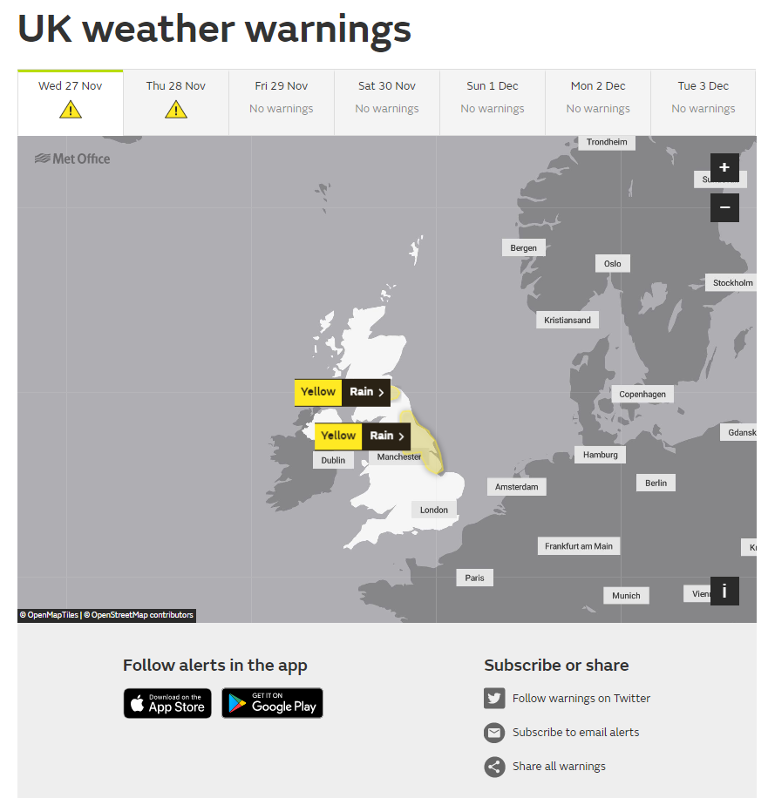
A A yellow weather warning is in place for strong winds and heavy rain across large parts of the UK. The conditions are expected to bring gusts widely of 50–55 mph with some coastal and exposed areas potentially seeing even stronger gusts.
Q Why is the warning connected to power cuts?
A Strong gusts and stormy conditions can damage infrastructure, bring down power lines or disrupt services, which could lead to temporary power outages in affected regions. People have already been alerted to the possibility of short-term losses of electricity during the peak of winds.
Q Which areas are most likely to be hit?
A The warning covers much of Scotland, northern and central England, Yorkshire and Humber, Wales and parts of the Midlands and northern Ireland, affecting both urban and rural communities.
Q How could this weather affect daily life?
A
• Transport: buses, trains and flights may be delayed or cancelled due to high winds.
• Power: short-term disruptions and outages are possible.
• Travel safety: bridges and exposed routes may be treacherous.
• Outdoor plans: conditions will be uncomfortable or unsafe for coastal and exposed outdoor activities.
Q Are power cuts common during UK storms?
A Yes. In past UK severe weather events, such as major windstorms or heavy rain and flooding, infrastructure has been disrupted, leaving homes and businesses without power until repairs can be completed.
Q What should you do to prepare now?
A
• Charge devices such as phones and power banks ahead of the wind warning.
• Check emergency supplies like torches and batteries.
• Secure loose outdoor items that could be blown around.
• Monitor transport updates before travel.
• Stay informed via the Met Office app or local forecasts.
Q What does this tell us about UK weather patterns?
A While one warning doesn’t prove long-term trends, the UK has seen an increase in weather volatility including frequent windstorms, heavy rain and flooding. These conditions are consistent with broader patterns of change in storms and rainfall behaviour.
Final Reflection
A yellow weather warning is a practical heads-up not a reason to panic. It’s an invitation to prepare for disruption and protect your routines, property and wellbeing. Staying safe isn’t about fear but readiness — and small steps now can make a big difference when the winds arrive.

Leave a Reply